

Hey there! I'm a supplier of warp knitting spandex yarn, and I've been in this game for quite a while. Over the years, I've learned a thing or two about optimizing the knitting parameters for warp knitting spandex yarn. And today, I'm gonna share some of those tips with you.

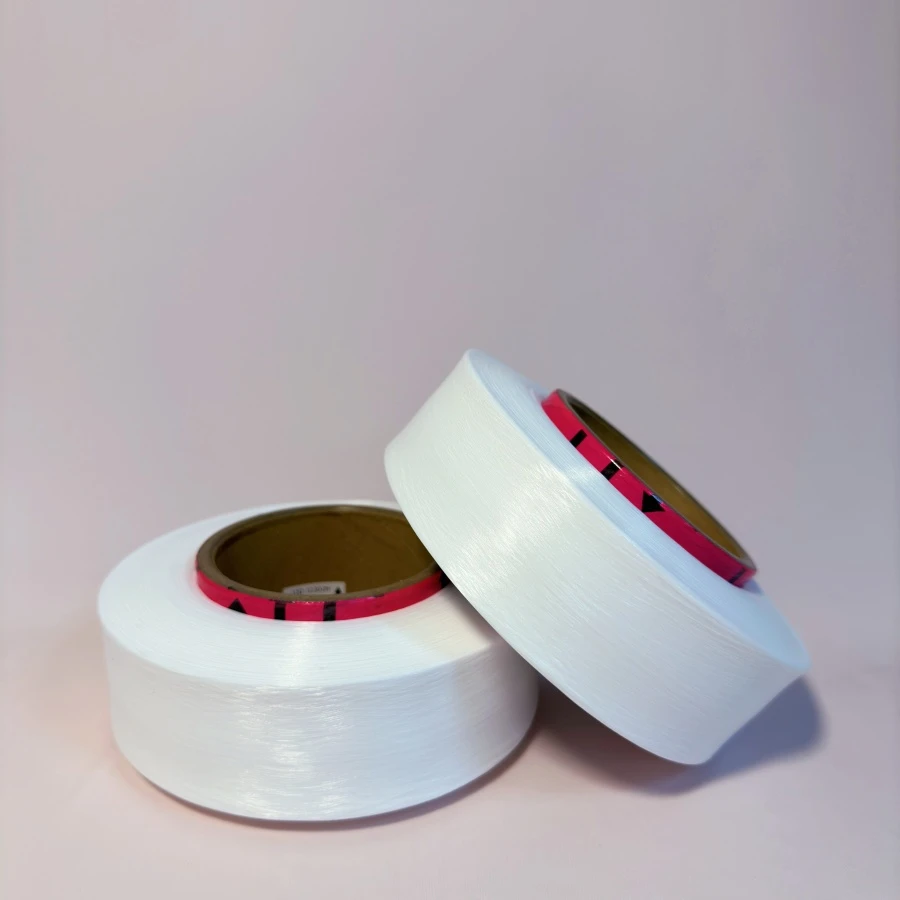
First off, let's talk about what warp knitting spandex yarn is. It's a type of elastic yarn that's commonly used in the textile industry for making all sorts of stretchy fabrics, like swimsuits, activewear, and lingerie. The spandex in the yarn gives it that amazing stretch and recovery properties, making the finished products comfortable to wear and able to retain their shape.
Now, when it comes to optimizing the knitting parameters for this yarn, there are a few key factors we need to consider.
Yarn Tension
One of the most important things is yarn tension. If the tension is too high, the yarn can break during the knitting process, which is obviously a big no - no. On the other hand, if the tension is too low, the fabric might end up being too loose and not have the right structure.
I've found that the ideal tension can vary depending on the specific type of spandex yarn you're using. For example, our 20D (20501) Spandex Yarn AA Grade is a relatively fine yarn, and it usually requires a lower tension compared to our 70D (70505) Spandex Yarn AA Grade. You'll need to do some trial and error on your knitting machine to find the sweet spot. Start with a medium tension and then make small adjustments based on how the yarn behaves.
Knitting Speed
The knitting speed also plays a crucial role. A high - speed knitting can increase productivity, but it can also put more stress on the yarn. If you're using a thicker spandex yarn like the 70D (70505) Spandex Yarn AA Grade, it can generally handle a higher knitting speed compared to a thinner one like the 20D (20501) Spandex Yarn AA Grade.
However, don't just go full - throttle right away. It's better to start at a moderate speed and gradually increase it while monitoring the quality of the knitted fabric. Look out for any signs of unevenness, broken yarns, or other defects. If you notice any issues, slow down the speed and make the necessary adjustments.
Needle Selection
The type of needles you use can have a big impact on the knitting process. Different needles have different gauges and shapes, and you need to choose the ones that are compatible with your spandex yarn.
For finer spandex yarns, a needle with a smaller gauge is usually better. It can handle the yarn more gently and prevent it from getting damaged. For thicker spandex yarns, a larger - gauge needle is more appropriate.
Make sure the needles are in good condition. Dull or damaged needles can cause the yarn to snag or break, so it's a good idea to regularly check and replace them if needed.
Temperature and Humidity
Believe it or not, the environment where you're knitting can also affect the performance of the spandex yarn. Spandex is sensitive to temperature and humidity.
In a hot and humid environment, the yarn can become more stretchy and less stable. This can lead to problems like uneven knitting and a change in the fabric's properties. On the other hand, in a cold and dry environment, the yarn can become brittle and more likely to break.
Try to keep the knitting area at a relatively stable temperature and humidity. A temperature range of around 20 - 25°C (68 - 77°F) and a humidity level of 40 - 60% is usually ideal. You can use a thermometer and a hygrometer to monitor these conditions and make adjustments if necessary.
Yarn Feeding System
A proper yarn feeding system is essential for smooth knitting. The system should be able to deliver the yarn at a consistent rate and tension.
Some knitting machines come with built - in yarn feeding systems, but you might need to fine - tune them for your specific spandex yarn. Make sure the yarn guides are clean and free of any debris that could cause the yarn to get stuck.
Also, check the yarn feeders regularly to ensure they're working properly. If you notice any irregularities in the yarn feed, it could lead to problems in the knitting, such as loops or holes in the fabric.
Pre - stretching the Yarn
Pre - stretching the spandex yarn before knitting can sometimes improve the quality of the finished fabric. This process helps to align the spandex molecules and reduce the amount of shrinkage after knitting.
You can use a simple stretching device or just manually stretch the yarn a few times before feeding it into the knitting machine. However, be careful not to over - stretch the yarn, as this can damage its elastic properties.
Quality Control
Throughout the knitting process, it's important to do regular quality control checks. Inspect the knitted fabric for any defects, such as broken yarns, uneven stitches, or color variations.
If you find any issues, stop the knitting process immediately and try to identify the cause. It could be due to a problem with the yarn tension, knitting speed, or any of the other factors we've discussed. Make the necessary adjustments and then continue knitting.
Conclusion
Optimizing the knitting parameters for warp knitting spandex yarn is a combination of science and art. It takes some time and patience to get it right, but once you do, you'll be able to produce high - quality stretchy fabrics that your customers will love.
As a warp knitting spandex yarn supplier, I'm always here to help you with any questions you might have. Whether you're new to using spandex yarn or you're looking to improve your existing knitting process, feel free to reach out. We offer a wide range of spandex yarns, including our 30D (30511) Spandex Yarn AA Grade, 70D (70505) Spandex Yarn AA Grade, and 20D (20501) Spandex Yarn AA Grade. If you're interested in purchasing our products or want to discuss your specific needs, don't hesitate to contact us for a procurement consultation.
References
- Textile Handbook: A Comprehensive Guide to Textile Science and Technology
- Spandex Yarn: Properties and Applications in Knitting Industry