

In the dynamic world of textile manufacturing, warp knitting spandex yarn stands out as a crucial component, offering elasticity and comfort to a wide range of products. As a dedicated warp knitting spandex yarn supplier, I've witnessed firsthand the significant impact of spandex purity on the quality of the yarn. In this blog post, I'll delve into the intricate relationship between spandex purity and yarn quality, exploring how this factor can influence various aspects of the final product.
Understanding Spandex Purity
Spandex, also known as elastane, is a synthetic fiber renowned for its exceptional elasticity. The purity of spandex refers to the proportion of pure spandex polymer within the yarn. Higher purity levels indicate a greater concentration of the spandex polymer, which directly affects the yarn's performance and quality.

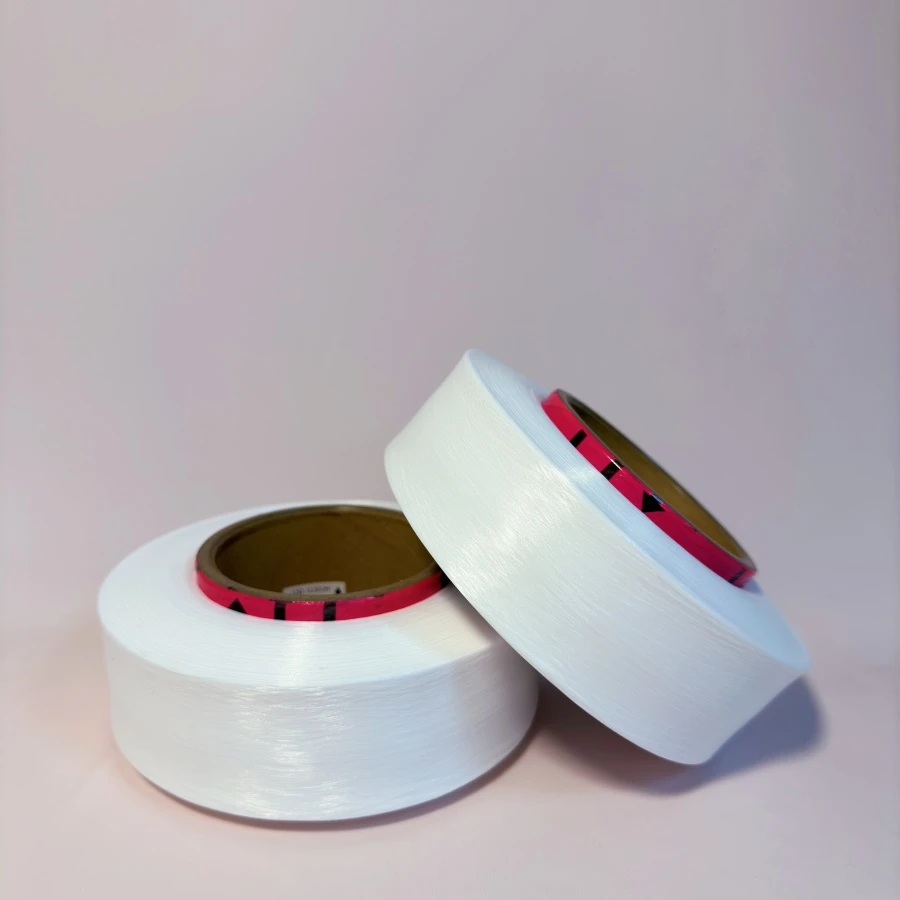
When producing warp knitting spandex yarn, manufacturers carefully control the spandex purity to meet specific industry standards and customer requirements. The purity level can vary depending on the intended application of the yarn, with different products demanding different levels of elasticity, durability, and comfort.
Impact on Elasticity
One of the most significant ways spandex purity affects the quality of warp knitting spandex yarn is through its impact on elasticity. Elasticity is the ability of the yarn to stretch and return to its original shape without losing its integrity. Higher spandex purity levels generally result in yarns with superior elasticity, as the pure spandex polymer provides a more consistent and reliable stretch.
Yarns with high spandex purity can stretch further and recover more effectively, making them ideal for applications that require a high degree of flexibility, such as swimwear, sportswear, and lingerie. For example, our 70D (70505) Spandex Yarn AA Grade offers excellent elasticity, ensuring a comfortable and form-fitting experience for the wearer.
Influence on Durability
In addition to elasticity, spandex purity also plays a crucial role in determining the durability of warp knitting spandex yarn. Durability refers to the yarn's ability to withstand repeated stretching and stress without breaking or losing its properties over time. Yarns with higher spandex purity levels are generally more durable, as the pure spandex polymer is more resistant to wear and tear.
When used in products that are subjected to frequent movement and friction, such as activewear and hosiery, durable spandex yarns are essential to ensure long-lasting performance. Our 20D (20501) Spandex Yarn AA Grade is designed to provide exceptional durability, making it suitable for a variety of demanding applications.
Effect on Comfort
Comfort is another important factor that is influenced by spandex purity in warp knitting spandex yarn. Yarns with higher purity levels tend to be softer and more comfortable to wear, as the pure spandex polymer is less likely to cause irritation or itching. Additionally, high-purity spandex yarns can provide a smoother and more even texture, enhancing the overall comfort of the final product.
In applications where comfort is a top priority, such as underwear and sleepwear, using spandex yarns with high purity levels is essential. Our 140D(A4501) Spandex Yarn AA Grade offers a luxurious and comfortable feel, making it an excellent choice for these types of products.
Color Fastness and Appearance
Spandex purity can also have an impact on the color fastness and appearance of warp knitting spandex yarn. Color fastness refers to the ability of the yarn to retain its color when exposed to various environmental factors, such as washing, sunlight, and sweat. Yarns with higher spandex purity levels generally exhibit better color fastness, as the pure spandex polymer is less likely to absorb or transfer dyes.
In addition to color fastness, spandex purity can also affect the appearance of the yarn. High-purity spandex yarns tend to have a smoother and more uniform surface, which can enhance the overall aesthetic appeal of the final product. This is particularly important in applications where appearance is a key consideration, such as fashion apparel and decorative textiles.
Quality Control and Assurance
As a warp knitting spandex yarn supplier, we understand the importance of maintaining strict quality control and assurance measures to ensure that our products meet the highest standards of quality. We use advanced manufacturing techniques and state-of-the-art equipment to carefully control the spandex purity and other key properties of our yarns.
Before our products are released to the market, they undergo rigorous testing and inspection to ensure that they meet our customers' specifications and expectations. We also work closely with our customers to understand their specific needs and provide them with customized solutions that meet their unique requirements.
Conclusion
In conclusion, the spandex purity in warp knitting spandex yarn has a profound impact on its quality, influencing various aspects such as elasticity, durability, comfort, color fastness, and appearance. As a supplier, we are committed to providing our customers with high-quality spandex yarns that meet their specific needs and requirements.
If you're in the market for warp knitting spandex yarn, we invite you to explore our range of products, including our 70D (70505) Spandex Yarn AA Grade, 20D (20501) Spandex Yarn AA Grade, and 140D(A4501) Spandex Yarn AA Grade. We're confident that our products will meet your expectations and help you create high-quality textile products that stand out in the market.
If you have any questions or would like to discuss your specific requirements, please don't hesitate to contact us. We look forward to working with you to meet your warp knitting spandex yarn needs.
References
- Textile Institute. (2023). Handbook of Textile Fibres. Woodhead Publishing.
- Morton, W. E., & Hearle, J. W. S. (2008). Physical Properties of Textile Fibres. Woodhead Publishing.
- ASTM International. (2023). Standard Test Methods for Tensile Properties of Yarns by the Single-Strand Method. ASTM D2256/D2256M-19.